
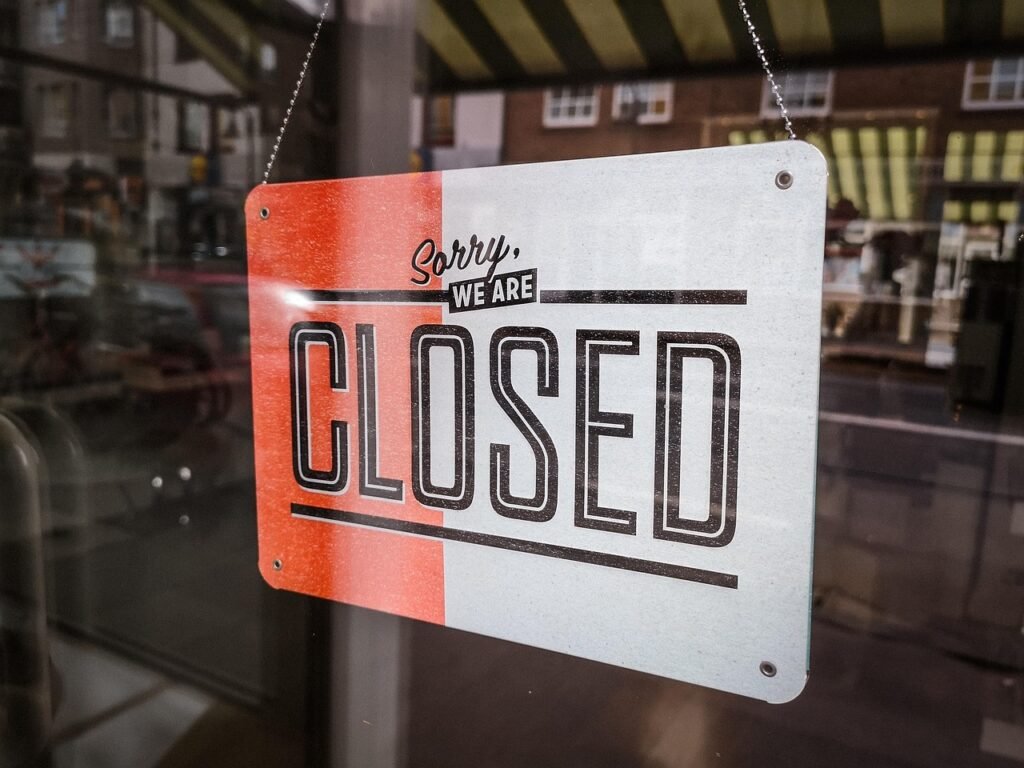
What Is Business Interruption Insurance?
Business Interruption Insurance (BII) is an add-on to your Property Insurance or Business Owner’s Policy. When a covered property loss forces your business to shut its doors, BII replaces the income and fixed costs you’d otherwise lose while you rebuild or relocate.
It’s easy to think of Property Insurance as the whole safety net after a fire or storm. It isn’t. Property Insurance pays to repair or replace what was damaged — it doesn’t pay your rent, payroll, or loan payments while that repair is happening. That gap is exactly what Business Interruption Insurance is built to close.
Not sure if your current policy includes Business Interruption coverage? Our agents can review your policy and get you a free quote in as little as 15 minutes.
What Does Business Interruption Insurance Cover?
Fires, storms, and other covered property claims can force you to close while you rebuild. When that happens, BII can reimburse your business for:
- Lost income. BII replaces your normal monthly income for a period set by your policy — whether the shutdown lasts days, months, or longer.
- Fixed costs. Payroll, rent, healthcare costs, and insurance premiums don’t stop just because your revenue does. Few small businesses have the savings to cover these for more than a few weeks — BII keeps you out of debt and keeps your staff employed.
- Relocation expenses. If the damage means you need to move temporarily or permanently, BII can cover moving costs and related expenses.
- Extra expenses. Many policies also cover incidental costs tied to closing, relocating, or repairing — beyond just the big-ticket items.
- Government-mandated closures. If your municipality shuts down your block for safety reasons, the policy’s “civil ingress/egress” provision can cover your lost revenue even though your building itself wasn’t damaged.
This is especially important for businesses with a physical storefront and high foot-traffic dependency — restaurants, medical and dental offices, and retail operations are among the most exposed if their location becomes unusable, since every day closed is direct lost revenue with no way to work around it.
Civil authority coverage doesn’t trigger automatically just because a government agency issues an order. Standard policy forms typically require three conditions to be met together: access to your property must be completely prohibited (not just made inconvenient), physical damage must exist near your property, and that damage must stem from a peril your property policy actually covers. A tornado that damages nearby buildings and prompts the city to cordon off the block, for example, would likely satisfy all three — but a precautionary closure with no nearby physical damage may not. Because policy wording varies by insurer, it’s worth confirming the specific triggers in your own contract with your agent.
Why Property Insurance Alone Isn’t Enough
Say a storm destroys your office. Property Insurance gives you the money to replace what was lost — but it takes time to source new equipment and supplies, and repairs themselves can take weeks or months.
A restaurant with major storm damage may have a Property Insurance check in hand and still be unable to reopen for a long stretch: contractors are often backlogged after a major storm, and the space may need a final inspection before you can resume operating. Business Interruption Insurance is what carries you financially through that entire gap — covering income and fixed costs while you work to reopen.
What’s Not Covered
BII is part of your Property Insurance, so it only responds when the underlying property claim is covered. Typical covered triggers include:
- Fire damage
- Theft
- Vandalism
- Certain weather events
Standard Property Insurance often excludes named storms. If a storm has been named by the National Weather Service or another government agency, your standard policy may not cover it — meaning your BII wouldn’t respond either. A shrimp fishery hit by a named tropical storm on the Gulf Coast, for example, could find itself without coverage under a standard policy. Businesses in storm-exposed areas typically need to buy separate windstorm, hurricane, or flood coverage to close this gap.
How Much Business Interruption Coverage Do You Need?
If your business needs more than 12 months of Business Interruption coverage, it will likely fall outside Business Owner’s Policy eligibility. BOPs bundle Property and General Liability coverage at a discount for lower-risk small businesses, but that discount comes with a 12-month cap on BII. If your risk profile calls for longer coverage, you’ll need a stand-alone policy instead.
A common way to estimate the coverage limit you need is to calculate your annual gross earnings (revenue minus the variable costs that would stop if you closed, such as materials and hourly labor tied directly to sales) and then add your continuing fixed expenses — rent, loan payments, salaried payroll, and insurance premiums — for the length of time it would realistically take you to reopen. A rough formula:
Coverage needed ≈ (Monthly gross earnings + monthly fixed expenses) × expected months to recover
Most businesses underestimate the “months to recover” figure. A kitchen fire might sound like a two-week fix, but once you factor in permitting, contractor scheduling, and a final health department or building inspection, three to six months is common for a full recoverable loss — longer if your building itself needs structural repair. Your agent can help you model a realistic recovery timeline based on your industry and building type rather than guessing.
Who Qualifies for BII Through a Business Owner’s Policy?
Business Interruption coverage is most commonly sold bundled into a Business Owner’s Policy (BOP) rather than as a stand-alone product. BOPs are generally reserved for smaller, lower-risk businesses — typically those with 100 or fewer employees and up to $5 million in annual revenue. If your business is larger or in a higher-risk category, you may need a separate commercial package policy instead of a BOP to get BII coverage.
Despite how valuable this coverage is, it’s underused: industry estimates suggest only around 30–40% of small business owners actually carry Business Interruption Insurance, leaving a large share of small businesses financially exposed if a covered loss forces them to close.
What Determines the Cost of Business Interruption Insurance?
BII is usually priced as a percentage of your total property premium rather than sold separately, so your cost depends on the same factors that drive your Property Insurance rate, plus a few specific to interruption risk:
- Industry and revenue. A higher-revenue business generally pays more in absolute dollars for the same coverage period, since there’s more income to replace.
- Coverage period (indemnity period). Longer maximum payout periods — 12 months versus 24 months, for example — cost more than shorter ones.
- Building construction and age. Older buildings or those with outdated electrical, plumbing, or fire suppression systems tend to take longer to repair, which raises both the property premium and the interruption risk.
- Location and exposure. Businesses in flood zones, coastal areas, or older commercial corridors typically see higher rates due to elevated disaster and repair-delay risk.
- Time deductible chosen. Selecting a longer waiting period before coverage kicks in (72 hours instead of 24, for example) can lower your premium, similar to raising a deductible on any other policy.
Case Study: A Grocery Store After a Windstorm
A grocery store loses part of its roof in a severe windstorm. Leaks damage the floor and walls, ruin inventory, and a power outage wipes out the store’s perishables.
With Business Interruption Insurance, the store’s policy pays for:
- Fixed costs like employee salaries during the closure
- Lost income for the month or two it takes to complete repairs
Without BII, that same store could miss loan payments, fall behind on taxes, and lose staff who need steady income elsewhere — any one of which can turn a temporary setback into a permanent one. The stakes here aren’t hypothetical: FEMA has cited figures suggesting that anywhere from roughly a quarter to as much as 40% of small businesses that close after a disaster never reopen, largely because they can’t stay financially afloat during the rebuilding period.
Business Interruption Insurance vs. Related Coverages
These terms often get used interchangeably, but they cover different situations:
- Business Interruption Insurance pays when your own property suffers a covered loss and you have to close or reduce operations.
- Contingent Business Interruption pays when a supplier or customer’s property is damaged, disrupting your business even though your own location is untouched — for example, if your main supplier’s warehouse burns down and you can’t get inventory to sell.
- Civil Authority Coverage, usually bundled into BII as the “civil ingress/egress” provision, pays when a government order blocks access to your property even though it wasn’t directly damaged — such as a police-mandated closure of your block after a nearby gas leak.
- Extra Expense Coverage pays for the additional costs of staying open or reopening faster, like renting temporary space, rather than replacing lost income.
- Extended Business Interruption covers the gap between when your property is physically repaired and when your income actually returns to pre-loss levels — since reopening your doors and rebuilding your customer base rarely happen on the same day.
Many BOPs bundle a baseline of these automatically; ask your agent which apply to your specific policy and at what sublimits, since caps on contingent BI and civil authority are often much lower than your main BII limit.
A Note on Pandemics and Virus Exclusions
One important limitation worth knowing upfront: most standard Business Interruption policies specifically exclude losses caused by viruses, bacteria, or pandemics. This exclusion became standard industry-wide after the insurance industry absorbed significant losses tied to the SARS outbreak in the early 2000s, and it was reinforced further after widespread COVID-19-related claims were largely denied under these same exclusions. If pandemic-related closure is a meaningful risk for your business model, ask your agent directly whether your policy contains this exclusion — most current policies do, and coverage for this specific risk is difficult to find in the standard market.
How a Business Interruption Claim Works
Filing a BII claim generally follows the same timeline as your underlying property claim, with a few extra steps to document lost income:
- Report the property loss. Notify your insurer as soon as possible after the fire, storm, or other covered event, the same way you would for any property claim.
- Wait out the time deductible. Your coverage period for lost income typically doesn’t start until the waiting period specified in your policy has passed.
- Document your losses. This is the part unique to BII claims. Insurers typically ask for financial records from before the loss — profit and loss statements, tax returns, and sales records — to establish what your business would have earned had the closure not happened.
- Track ongoing fixed costs and extra expenses. Keep receipts for anything you’re paying to stay afloat or reopen faster, including temporary rent, equipment rental, or expedited repair costs.
- Work with an adjuster to settle. The insurer’s adjuster will typically use your historical financials to calculate the actual loss, which is why accurate, well-organized bookkeeping before a disaster makes a real difference in how smoothly (and how well) your claim is paid.
Because so much of a BII claim comes down to your own financial documentation, businesses that keep clean, up-to-date books tend to see faster payouts and fewer disputes than those piecing together records after the fact.
Common Pitfalls and Misunderstandings
Does coverage start the day my business closes?
Usually not. Most policies apply a “time deductible” — a waiting period right after the loss during which BII doesn’t pay. Make sure you have enough cash reserves to cover a few days of operating expenses before coverage kicks in.
Should I insure based on my current income or projected income?
Projected income, if your business is growing. If you’re on track to go from $5,000 to $7,000 in monthly revenue by year’s end, insuring only at today’s number will leave you underinsured later. Talk to your agent about setting coverage at your expected income level.
What counts as an “extra expense,” and is it worth having?
Extra expense coverage reimburses unforeseen costs tied to your closure — for example, if your $200,000 office needs to be rebuilt to a higher current building code, the gap between old and new cost can be substantial. This add-on is worth discussing with your agent if your building is older or in a jurisdiction with evolving code requirements.
Does Business Interruption Insurance cover pandemic-related closures?
Rarely with a standard policy. Most insurers added specific virus and bacteria exclusions to their standard forms in the years following the SARS outbreak, and these exclusions were widely enforced during COVID-19 claims. If pandemic risk is a real concern for your business, talk to your agent about your options — coverage for this specific peril is limited in the standard market.
Get a Free Business Interruption Insurance Quote
Fill out our online form and one of our agents will send a free quote in as little as 15 minutes — no strings attached.
